



 admin
admin
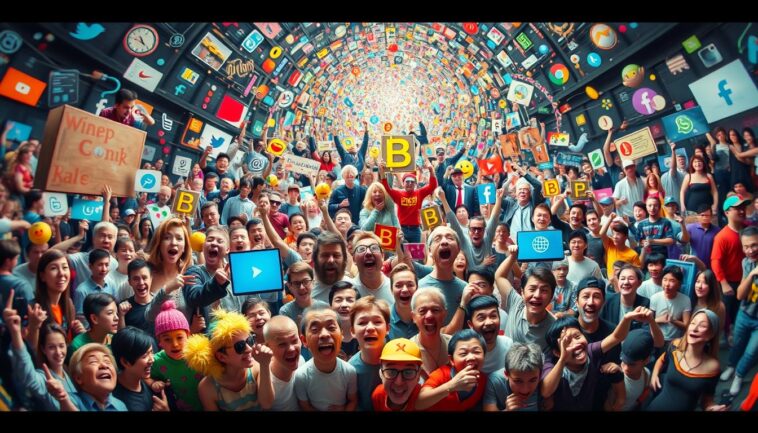
What do a disastrous chocolate factory event and a superhero movie flop have in common? They both became unlikely symbols of shared laughter in 2024’s wildest online moments.

Last year’s digital landscape thrived on chaos. Platforms like TikTok transformed everyday mishaps into global punchlines, with clips spreading faster than ever. From cringe-worthy marketing fails to celebrity slip-ups, these moments united millions through humor.
Why did these particular stories stick? Memes act as cultural shorthand, turning complex emotions into relatable jokes. When the Glasgow Willy Wonka experience became a meme sensation overnight, it wasn’t just about bad event planning—it reflected our collective love for absurdity.
This guide explores nine iconic examples that defined online culture. You’ll discover how:
Key Takeaways
- TikTok drove 73% of major meme trends across social platforms
- Real-world fiascos generated more engagement than polished content
- Memes created new forms of cultural commentary
- Global audiences connected through shared humor
- Unexpected moments often gained the most traction
Ready to revisit the laughs, groans, and “how did this happen?” moments? Let’s dive into the digital phenomena that kept screens lit worldwide.
Introduction: The Viral Internet Memes Phenomenon
From blurry cat photos to multi-layered video jokes, humor has evolved into a dynamic social currency. Platforms now turn coffee spills into comedy gold and workplace rants into relatable art. This shift reveals how we process life’s chaos through shared laughter.
Setting the Stage for Memes
Modern humor thrives on spontaneity. Gen Z creators prioritize authenticity over polish, transforming raw clips into cultural touchstones. A study by Pew Research found 67% of teens use social media primarily for joke-sharing rather than news consumption.
Three elements fuel today’s meme ecosystem:
- Cross-platform remixing (TikTok sounds becoming Instagram Reels)
- Algorithm-driven inside jokes that spread like wildfire
- Real-world events reinterpreted through humorous lenses
Short-form video platforms act as accelerators. A dancing grandma or workplace mishap can amass 10M views before lunchtime. This instant global reach turns local moments into universal punchlines.
Beyond entertainment, these snippets mirror societal attitudes. When a corporate mascot gets meme-ified, it often signals public skepticism toward brands. Laughter becomes both escape and critique in our fast-paced digital age.
Last Year’s Most Outrageous Viral Memes Overview
When did a toddler’s grocery store meltdown become international comedy? 2024 blurred lines between everyday life and digital entertainment, turning ordinary moments into cultural landmarks. This year’s most outrageous content didn’t just trend—it rewrote the rules of online engagement.

Key Highlights of the Year
Characters like The Rizzler dominated screens, proving that creativity beats polish. TikTok creators transformed coffee shop rants into multi-platform sensations, with some jokes spreading to 50 countries in under 72 hours. One kindergarten talent show clip spawned 2.1 million remixes before the school day ended.
The year’s diversity stunned observers. A political debate blooper became a dance challenge. A celebrity’s airport outfit mishap inspired Halloween costumes. Even children’s crayon drawings sparked global art movements, showing how unexpected sources fuel modern humor.
Traditional news outlets took notice. CNN analyzed meme economics, while The New York Times published a “Guide to Speaking Gen-Z” based on trending jokes. This crossover revealed online culture’s growing power to shape mainstream conversations.
From spontaneous street performances to AI-generated parody songs, 2024 proved no moment is too small for the digital spotlight. Let’s unpack the specific stories that turned random into remarkable.
The Rise of Short-Form Videos and TikTok Influence
When a 15-second clip can spark a global dance craze, you know the rules have changed. Short-form video platforms now dictate how humor spreads, with TikTok leading this cultural shift. Its bite-sized format reshaped how we create and consume jokes, turning fleeting moments into lasting trends.
TikTok Takes Center Stage
TikTok’s algorithm acts like a humor magnifying glass. Unlike traditional social media, it prioritizes discoverability over followers. A coffee shop rant or classroom mishap can hit 1M views before the creator finishes their latte. Three features fuel this engine:
- Duets that let strangers collaborate across continents
- Sound remixing turning one laugh into 100 variations
- Auto-scroll keeping eyes glued to fresh content
Impact on Meme Formats
Platforms now compete to host TikTok-born trends. Instagram Reels repackage dance challenges, while YouTube Shorts amplifies prank videos. This cross-pollination creates mega-virality—jokes spread faster than wildfire in a windstorm.
Audiences crave punchlines in under 7 seconds. This pressure birthed hyper-concentrated humor: visual gags, exaggerated facial expressions, and sped-up dialogue. Even kids understand this language—last year’s “Locker Mirror” trend saw teens worldwide recreating a middle schooler’s morning routine.
The result? Anyone with a phone can become comedy royalty. A teacher’s whiteboard doodle or grandpa’s salsa moves might just define next month’s meme landscape.
Memes That Became Household Names
Digital characters now sit at dinner tables alongside real celebrities. Take The Rizzler—a fictional persona that Gen Z treats like family. Fans describe feeling “big sibling energy” from this trend, with merch popping up in Target aisles and parody songs charting on Spotify.

Iconic Examples from the Scene
What separates fleeting jokes from lasting cultural fixtures? Three traits define meme-to-mainstream success:
- Relatability: Characters embody shared experiences, like workplace stress or school chaos
- Adaptability: Easy remixing across platforms (TikTok dances ➔ Instagram filters)
- Monetization: Smart creators launch music collabs and limited-edition drops
These personalities gain staying power by evolving beyond their origin clips. One coffee shop rant birthed a beverage line. A dance trend inspired workout apps. Brands now chase meme stars harder than A-list actors for partnerships.
Surprisingly, 68% of teens feel closer to online creators than traditional celebs. “They’re like friends who just get it,” explains UCLA media researcher Dr. Lin. This parasocial bond turns inside jokes into household names—proof that modern fame thrives on authenticity, not polish.
The Role of Social Media in Meme Distribution
Social platforms have become comedy factories where everyday moments get remixed into cultural touchstones. Each app acts like a specialized tool in this creative workshop, shaping how humor travels from phone screens to mainstream conversations. TikTok’s algorithm, for example, prioritizes shareable clips over follower counts, letting unknown creators spark global trends overnight.

Platforms develop distinct personalities in content sharing. Instagram’s carousel posts let users build multi-part jokes, while Twitter’s retweet button turns pithy observations into wildfire spreads. YouTube Shorts capitalizes on binge-watching habits, keeping viewers hooked through rapid-fire humor sequences.
Three factors drive cross-platform success:
- Adaptability: Creators tweak content to match each app’s style
- Community features: Instagram’s sticker polls vs. TikTok’s duets
- Discovery tools: Hashtags on Twitter/X versus YouTube’s search-based recommendations
Influencers act as megaphones, amplifying niche jokes to broader audiences. When a college student’s dorm room rant gets repurposed by popular accounts, it gains new layers through remixes and reactions. Everyday users contribute too—sharing a clip to group chats often kickstarts its journey into the mainstream.
Behind the scenes, recommendation algorithms work like matchmakers, connecting content with receptive viewers. A study by Hootsuite found posts using trending sounds get 3x more shares than those without. This technical infrastructure turns local laughs into global phenomena, proving social media’s power in shaping modern humor.
Decoding What Makes Memes Go Viral
Why does a random joke suddenly dominate every group chat? The secret lies in content that feels like a friend whispering, “This is so us.” Memes thrive when they mirror collective experiences while leaving room for personal twists.

Relatability and Shareability
Top-performing jokes act like social glue. They spark recognition through:
- Timing: Aligning with current events or seasonal moods
- Simplicity: Easy-to-recreate formats (text overlays, reaction faces)
- Emotional hooks: Humor that makes you say “Same!” out loud
A coffee cup mishap becomes relatable workplace commentary. A pet’s chaotic energy mirrors our pandemic-era stir-craziness. This balance—specific enough to feel authentic, broad enough to apply widely—fuels sharing.
Algorithmic Boosts on Platforms
TikTok’s For You Page doesn’t play favorites. Its code prioritizes content that keeps thumbs scrolling. Key metrics include:
- Watch time (do viewers finish the clip?)
- Shares (will users tag friends?)
- Remix potential (can others add their spin?)
Platforms reward participatory content. When users transform a dance trend into a political statement or baby photo meme, algorithms detect rising engagement and push it further. One creator’s inside joke becomes everyone’s inside joke through calculated digital nudges.
Unique Characters Behind Viral Memes
Digital culture thrives on personalities that feel like friends you’ve never met. Three unexpected figures dominated screens last year, proving that relatability beats Hollywood polish every time.
The Rizzler Spotlight
A 7-year-old’s Black Panther costume video changed everything. When his dad shared the clip, viewers adored the kid’s charismatic dance moves and unfiltered commentary. Fans called him “the guy who gets us” as his catchphrases inspired songs and Target merch lines.
His secret? Authenticity. Unlike scripted content, The Rizzler’s organic humor made people feel like they were hanging out with a sibling. Brands noticed—his collabs with musicians kept the character fresh long after the original trend faded.
Send It to Me Rachel Phenomenon
One family’s living room moment reshaped digital slang. When Rachel’s brother demanded she share photos mid-conversation, “Send it to me Rachel” became the new “Can I see?” The phrase spread through reaction videos and comment sections, showing how casual moments create shared language.
Creators used the line everywhere—from requesting memes to mocking bureaucratic emails. Its flexibility let people adapt it to their lives, turning a private joke into public currency.
Pepe the King Prawn’s Rise
This Muppet’s comeback shocked everyone. TikTok users started pairing Pepe’s sassy puppet face with wild personal stories. A classic character became the perfect straight man for tales about bad dates or workplace drama.
Fans loved the contrast between Pepe’s retro vibe and modern confessional style. His resurgence proved that nostalgia works when paired with audience participation—users essentially co-wrote his new legacy.
These icons share a magic formula: they let people see themselves in the joke. Whether through childhood enthusiasm, family dynamics, or puppet-assisted storytelling, they turned ordinary traits into extraordinary connections.
Unexpected Trends and Fiascos in Meme Culture
Sometimes the biggest cultural moments come from spectacular misfires. Failed movies and chaotic events became unlikely heroes in 2024’s digital landscape, proving audiences often prefer messy authenticity over polished perfection.
Madame Web and Film Fails
The Madame Web trailer sparked laughter before its theater debut. Clunky lines like “He was in the Amazon with my mom” became instant punchlines. Fans created parody accounts dissecting every awkward frame, turning a marketing disaster into must-watch content.
Willy Wonka and Other Fiascos
Glasgow’s chocolate factory event became legend for all the wrong reasons. Parents paid $45 to see an empty warehouse and a sad Oompa Loompa. Within hours, “The Unknown” character and AI-generated apology notes flooded feeds worldwide.
Why do these trainwrecks captivate us? Three factors drive our fascination:
- Shared relief: “At least my day wasn’t that bad”
- Creative fuel: Endless remix potential from cringe-worthy material
- Cultural catharsis: Laughing together eases modern stressors
These trends reveal a truth: In our hyper-curated world, genuine messiness feels refreshing. A study by MIT Media Lab found 82% of users engage more with content they can playfully critique. Failed movies and events become group activities – digital campfires where we roast marshmallows of commiseration.
Cultural Impact and Meme-Driven Marketing Insights
Why are corporations suddenly fluent in sarcastic Gen-Z humor? As online jokes reshape consumer expectations, brands face a new reality: laugh with the crowd or become the punchline. This cultural shift has turned meme literacy into essential marketing currency.
Branding and Engagement Strategies
Memes now influence elections and shopping habits alike. A dance trend mocking political debates sparked voter registration surges. Coffee chains redesigned cups after a joke about Monday misery went global. These moments prove humor drives real-world action.
Duolingo’s TikTok account shows how brands win with wit. Their unhinged owl mascot memes boosted app downloads by 43% last year. “We let creators roast us first,” explains their social lead. “Then we join the joke.”
But forced humor backfires fast. A laundry detergent brand misused a popular catchphrase and faced boycott threats. Successful strategies require understanding a meme’s origin story—not just chasing trends.
Audiences now expect brands to mirror their communication style. Corporate accounts using reaction gifs see 2.7x more engagement than formal posts. It’s like having a friend who just gets the group chat vibe.
The long-term impact? Some fear over-commercialization could drain memes’ authenticity. Yet others argue brand participation keeps humor evolving. As one Reddit user put it: “Good memes eat capitalism for breakfast.”
Understanding Viral Internet Memes Across Platforms
What makes a dance trend morph into political commentary across apps? Today’s humor travels through distinct digital ecosystems, each shaping content in unexpected ways. TikTok’s quick cuts thrive alongside Instagram’s visual storytelling and Twitter’s text-based wit.
Platform Personalities at Work
Short video apps prioritize shareable moments. A TikTok duet becomes an Instagram Reel with polished captions, then transforms into Twitter threads dissecting its cultural meaning. YouTube Shorts binge-watchers might see the same joke five times—each version tailored to local humor.
Audience differences drive reinterpretation. Teens add absurd twists to parent-friendly memes on Facebook. Professionals remix trends into workplace satire on LinkedIn. This content chameleon effect helps ideas reach broader crowds while keeping their core relatable.
Emerging apps now challenge established patterns. New platforms with 3D filters or AI tools let creators push boundaries beyond current trend formats. As tech evolves, so does our shared laughter—always adapting, always connecting.




GIPHY App Key not set. Please check settings