



 admin
admin
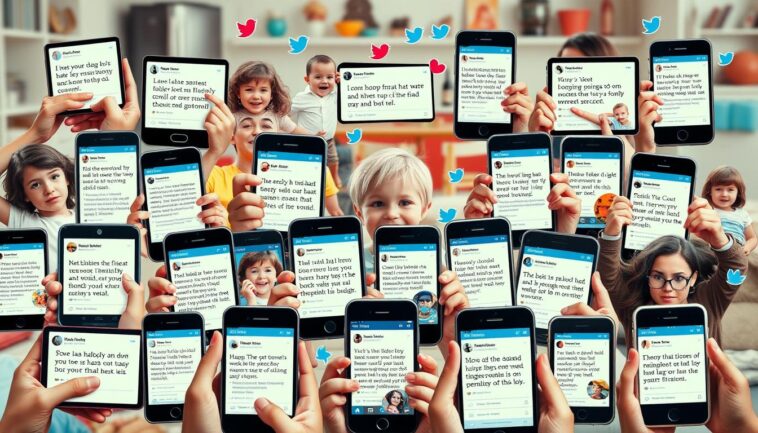
Ever wondered how caregivers survive the beautiful chaos of raising tiny humans? The answer might be scrolling through your feed right now. While parenting guides offer theories, Twitter’s raw, unfiltered moments deliver the real talk—with a side of humor that’ll make you snort-laugh.

This collection isn’t just about laughs (though there are plenty). It’s a time capsule of modern child-rearing—complete with snack negotiations, bedtime standoffs, and those “did that really just happen?” moments. You’ll find viral gems and underrated posts that turn daily struggles into comedy gold.
Why does this matter? Because laughter connects us. When someone tweets about their kid asking if clouds are God’s popcorn, it’s more than a joke—it’s a lifeline for others in the same boat. These snippets remind us that imperfection is the real superpower of guardianship.
Key Takeaways
- Discover viral and lesser-known posts that redefine parenting humor
- Explore how social media captures the reality of raising kids today
- Learn why relatable content builds community among caregivers
- Find comfort in shared experiences beyond parenting manuals
- See how humor transforms daily challenges into laughable moments
Introduction: A Laugh-Filled Look at Parental Humor
Raising children often feels like hosting a never-ending improv show where toddlers write the script. Across dinner tables and playgrounds worldwide, guardians bond over spilled juice boxes and preschool philosophy that would stump Socrates.
Setting the Tone for Modern Caregiving
Today’s caregivers have turned daily chaos into creative fuel. A spilled bag of flour becomes TikTok gold. A 4-year-old’s question about why adults “smell like coffee and regret” sparks viral threads. This raw comedy helps families survive tough days while celebrating small victories.
Why These Stories Stick With Us
Kids offer accidental wisdom through their unfiltered takes. “Can we buy more weekdays?” one child asked during Saturday errands. Another declared broccoli “nature’s punishment for having hands.” These moments remind us that family life isn’t about perfection—it’s about finding joy in the mess.
Shared laughter creates invisible threads connecting households globally. When someone posts about their child hiding carrots in the DVD player, it’s not just funny—it’s a survival guide written in crayon.
A Snapshot of Parental Tweets in the U.S.
American households have become accidental comedy clubs where juice box explosions and kindergarten logic dominate the spotlight. Social platforms buzz with stories that turn grocery store meltdowns into shared triumphs, proving laughter travels faster than toddler tantrums.

Understanding the U.S. Parenting Scene
From suburban minivans to city apartments, caregivers document realities that textbooks ignore. One mom in Texas live-tweeted her attempt to explain daylight saving time to a 5-year-old convinced “the clock broke.” A dad in Brooklyn shared his preschooler’s theory that traffic lights exist “to make cars play Red Light, Green Light.”
These snippets reveal three truths about American family life:
- Childcare costs spark more creative budgeting than MBA programs
- School projects require engineering degrees nobody warned you about
- Kids’ interpretations of holidays could rewrite history books
Seasonal trends emerge like clockwork. September brings back-to-school shopping fails. December overflows with gift-wrap disasters. Summer? A nonstop stream of “I’m bored” innovations involving garden hoses and sidewalk chalk.
Through screens, strangers become allies in the great adventure of raising tiny humans. When someone posts about their child’s belief that ATMs are “money trees,” it’s not just comedy—it’s a reminder that we’re all decoding life’s mysteries together.
Trending Moments: Parenting Tweets That Go Viral
In 2025, parenting humor finds its spotlight through 280-character snapshots. Social platforms now serve as digital scrapbooks where caregivers document life’s unpredictable moments—turning spilled smoothies and robot-themed bedtime debates into cultural touchstones.

Tweets from 2025: A New Era in Parenting Humor
This year’s viral posts reveal shifting family dynamics. A January tweet about a child negotiating with Alexa for extra dessert hours racked up 42K retweets. By June, a thread comparing sunscreen application to “taming a glitter-covered octopus” sparked global parent solidarity.
What makes these posts spread? Three ingredients dominate:
| Month | Theme | Engagement |
|---|---|---|
| January | Tech negotiations | 58K likes |
| June | Summer struggles | 37K shares |
“My 6-year-old asked if robots have bedtimes—now that’s 2025 parenting in a nutshell.”
These moments thrive on split-second timing. When a New York caregiver tweeted their kid’s theory that cloud storage literally means “rainy-day data,” it took 19 minutes to trend. Comments flooded with similar gems—like a toddler insisting smart fridges need naptime.
The speed of connection astonishes. Last month’s viral post about mismatched socks creating “fashion superpowers” inspired 14K stories in 48 hours. It’s proof that shared laughter remains the universal language of modern family life.
Parenting Realities: When Kids Say the Unexpected
Childhood logic operates on a different wavelength—one where staplers become “metal alligators” and bedtime is negotiable. These verbal curveballs transform ordinary days into laugh-filled adventures, revealing how young minds reshape reality.

Everyday Moments That Spark Laughter
Consider the 3-year-old who names the toaster “Mike” with absolute certainty. Or the preschooler who insists clouds are “sky dandruff.” These interactions highlight how kids assemble language like puzzle pieces—often creating masterpieces adults couldn’t imagine.
| Common Scenarios | Kid Logic | Adult Reaction |
|---|---|---|
| Misnamed Objects | “Car wash = robot car shower” | Confused laughter |
| Philosophical Questions | “Do trees sneeze pollen?” | Existential crisis |
| Invented Rules | “Broccoli cancels out cookies” | Strategic negotiation |
Caregivers often scramble to document these exchanges. One mom shared her child’s declaration that ceiling fans are “sky helicopters.” The post garnered 16K likes—not because it was rare, but because it was universally relatable.
What makes these moments stick? They reveal how kids process things we overlook. A laundry basket becomes a spaceship. Rain becomes “cloud tears.” Through their eyes, mundane routines transform into magical discoveries worth remembering.
Unexpected Twists: Kids and Their Quick Wit
Childhood negotiations often resemble diplomatic summits where bedtime becomes a bargaining chip. Young minds transform routine requests into imaginative detours, leaving adults equal parts baffled and amused by their lateral thinking.
From Bedtime Requests to Pasta Time Surprises
Picture this: a child yawning through dinner yet suddenly demanding spaghetti at lights-out. This “pasta time” phenomenon reveals how kids reframe obligations through their unique lens. What adults see as resistance often masks creative problem-solving—like interpreting “time for bed” as “time for carb-loading.”
These moments highlight three truths about childhood logic:
- Every instruction becomes negotiable currency
- Current obsessions shape reality (noodles > sleep)
- Associations form faster than Wi-Fi connections
One caregiver shared how their 4-year-old declared toothbrushing optional because “moonlight cleans teeth.” Another reported a standoff where “putting shoes on” morphed into debating footwear ethics for ants. Through these exchanges, children demonstrate mental flexibility that would impress Silicon Valley innovators.
While exhausting in the moment, these creative detours serve a purpose. They show developing minds connecting dots in ways manuals can’t predict. The pasta ploy isn’t defiance—it’s proof that young thinkers approach life with fresh eyes, turning daily routines into playgrounds for imagination.
The Role of Social Media in Modern Parenting
Digital platforms have reshaped how caregivers navigate daily challenges. Where previous generations relied on neighbors or parenting books, today’s families turn to online spaces for instant camaraderie and comic relief.

How Twitter Amplifies Parental Humor
Microblogging transforms chaotic moments into shared punchlines. The 280-character limit forces creative precision—like comparing toddler tantrums to “demolition derbies directed by tiny dictators.” This brevity makes family mishaps universally digestible.
Real-time updates create collective experiences. When someone tweets about hiding in the bathroom to eat candy, thousands reply “Same!” within minutes. These exchanges turn isolated struggles into group therapy sessions with hashtags.
Connecting with a Community of Like-Minded Parents
Online networks act as 24/7 support hubs. Caregivers swap stories about failed Pinterest projects or kids’ conspiracy theories involving tooth fairies. One viral thread revealed 73% of children under 7 believe dishwashers are robot chefs.
Three ways these communities help:
- Normalize imperfect moments through relatable content
- Offer crowd-sourced solutions for bedtime battles
- Celebrate small wins like surviving grocery store trips
Through screens, people bond over mismatched socks and snack negotiations. It’s not just about laughs—it’s about finding your tribe in the wild ride of raising humans.
Classic Parenting Tweets That Still Resonate
Certain online jokes become permanent fixtures in family lore, surviving algorithm changes and cultural shifts. These evergreen posts distill the essence of caregiving into bite-sized truths that new generations rediscover like hidden treasures.
Finding Relatability in Everyday Family Life
One tweet about “convincing a toddler that carrots aren’t orange sticks of betrayal” still circulates years later. Another comparing bedtime routines to “hosting a hostage negotiation in footie pajamas” gets reshared every back-to-school season. Their power lies in spotlighting moments every household recognizes.
Why do these snippets endure? They address universal experiences untouched by technology. The panic when a child asks “Where does the sun sleep?” during a work call. The shock of discovering crayon murals behind couches. Time hasn’t changed these realities—only how we document them.
“My kid just asked if we can ‘return yesterday’ because she wants extra snack time. Relatable content for the next 50 years.”
Three reasons these posts remain relevant:
- They validate shared struggles without judgment
- They turn fleeting moments into cultural touchstones
- They help families measure growth through recurring challenges
When a decade-old tweet about lost socks resurfaces, it’s not nostalgia—it’s proof that family life connects us across eras. The details change (tablets replace coloring books), but the core experiences bind generations through laughter.
Funny Parents Tweets
Summer parenting transforms kitchens into snack factories and backyards into splash zones. Caregivers chronicle these adventures through digital snippets that spark recognition across neighborhoods. Their posts become life rafts for others navigating similar waters.
Moms often spotlight the mental gymnastics of family coordination. One shared: “Just explained to my 7-year-old that ‘hiding’ my coffee mug behind the blender isn’t actual camouflage.” Dads frequently document learning curves, like decoding a child’s drawing of “Daddy’s work meetings” as stick figures yelling at laptops.
Three patterns emerge in these candid posts:
- Bedtime routines requiring UN-level negotiation skills
- Meal prep turning into culinary improv sessions
- Kids redefining household objects through creative metaphors
“My daughter announced her stuffed animals unionized for better nap-time conditions. Send help.”
These snapshots reveal universal truths. A mom in Ohio and dad in Oregon both shared identical struggles with lost water bottles. The humor lies not in perfection, but in shared imperfections that connect households nationwide.
Through screens, caregivers exchange survival tips disguised as jokes. When someone tweets about mistaking sunscreen for toothpaste, it’s not just funny—it’s a public service announcement with emojis. This digital camaraderie turns solitary moments into collective experiences, proving laughter remains the best co-parent.
Real-Life Parenting: Beyond the Screen
Behind every viral parenting post lies a thousand untold stories—the unscripted moments between camera-ready smiles and clever captions. While social media freezes time in shareable snippets, actual family life unfolds in messy, beautiful continuity.
Tweet Moments Versus Actual Family Adventures
Consider the difference between a “look at my tiny negotiator!” tweet and the full reality. That viral post about a child’s pasta demands at bedtime? It skips the 47-minute bedtime routine involving stuffed animal census-taking and existential questions about ceiling fans.
| Social Media Moment | Real-Life Context |
|---|---|
| “First steps!” video | Months of falls and furniture cruising |
| “Master negotiator” caption | 37 snack-related debates before noon |
| Perfect park photo | Four outfit changes due to mud/ice cream |
“My wife and I high-fived when our daughter finally wore matching socks—then realized we’d become people who celebrate sock victories.”
Three shifts occur as caregivers gain experience:
- Milestone tracking evolves from baby books to mental notes
- Crisis management moves from frantic Googling to “we’ve survived this before” calm
- Joy surfaces in unexpected places—like hearing siblings invent secret handshakes
These unshared hours build family foundations. Morning pancake shapes teach geometry. Lost toy searches become treasure hunts. Through it all, parents discover that real magic lives off-screen—in the ordinary moments too precious to filter.
Memes and Twitter Trends: A Glimpse into Parenting Culture
Digital parenting culture thrives on shared chaos turned comedy. Viral images and phrases become secret handshakes among those raising the next generation—a visual language that says “I see you” without words.
How Viral Memes Reflect Caregiving Realities
Popular parenting memes often follow a winning formula:
| Meme Theme | Key Elements | Engagement Rate |
|---|---|---|
| Mealtime Battles | Broccoli memes, food-flinging toddlers | 72% shares |
| Sleep Deprivation | Coffee addiction jokes, 3 AM wake-ups | 68% likes |
| School Projects | Glitter disasters, last-minute dioramas | 65% retweets |
These templates succeed because they mirror universal experiences. A mom in Florida and dad in Oregon both laugh at “negotiating with tiny dictators” memes. Why? The struggle transcends geography.
“When my 5-year-old hid carrots in the Xbox, I didn’t know whether to scold him or nominate him for meme royalty.”
Three reasons these trends stick:
- They validate hidden daily battles
- Visual humor bridges language gaps
- Timing aligns with cultural moments
Memes about lost sippy cups peak during summer. Back-to-school chaos sparks pencil-sharpener horror stories. Through shared laughter, moms and dads worldwide find solidarity in the beautiful madness of raising kids.
The Evolution of Parenting Tweets Over Time
Parenting journeys unfold in tweet-sized chapters that reveal growth through chaos. What begins as nervous documentation of every burp and milestone gradually transforms into seasoned storytelling—where spilled milk becomes material for masterclasses in improv comedy.
From First-Time Jitters to Veteran Wit
New moms often flood feeds with play-by-play updates: “Day 14: Managed tummy time without tears (mine).” Fast-forward three years, and their posts shift tone. One mom recently tweeted: “Found my car keys in the freezer. Toddler logic: cold metal needs refrigeration.”
Dads show similar arcs. Early tweets focus on mastering diaper origami. Years later, they’re crafting viral threads about negotiating with tiny philosophers who debate bedtime using Jedi mind tricks. The progression mirrors real-life confidence gains—from Googling rashes to laughing through crayon wall art.
These digital timelines capture universal truths. First-time jitters give way to embracing beautiful messes. What once felt like crises become character-building anecdotes. Through tweets, caregivers worldwide chart their growth—one chaotic, hilarious chapter at a time.




GIPHY App Key not set. Please check settings